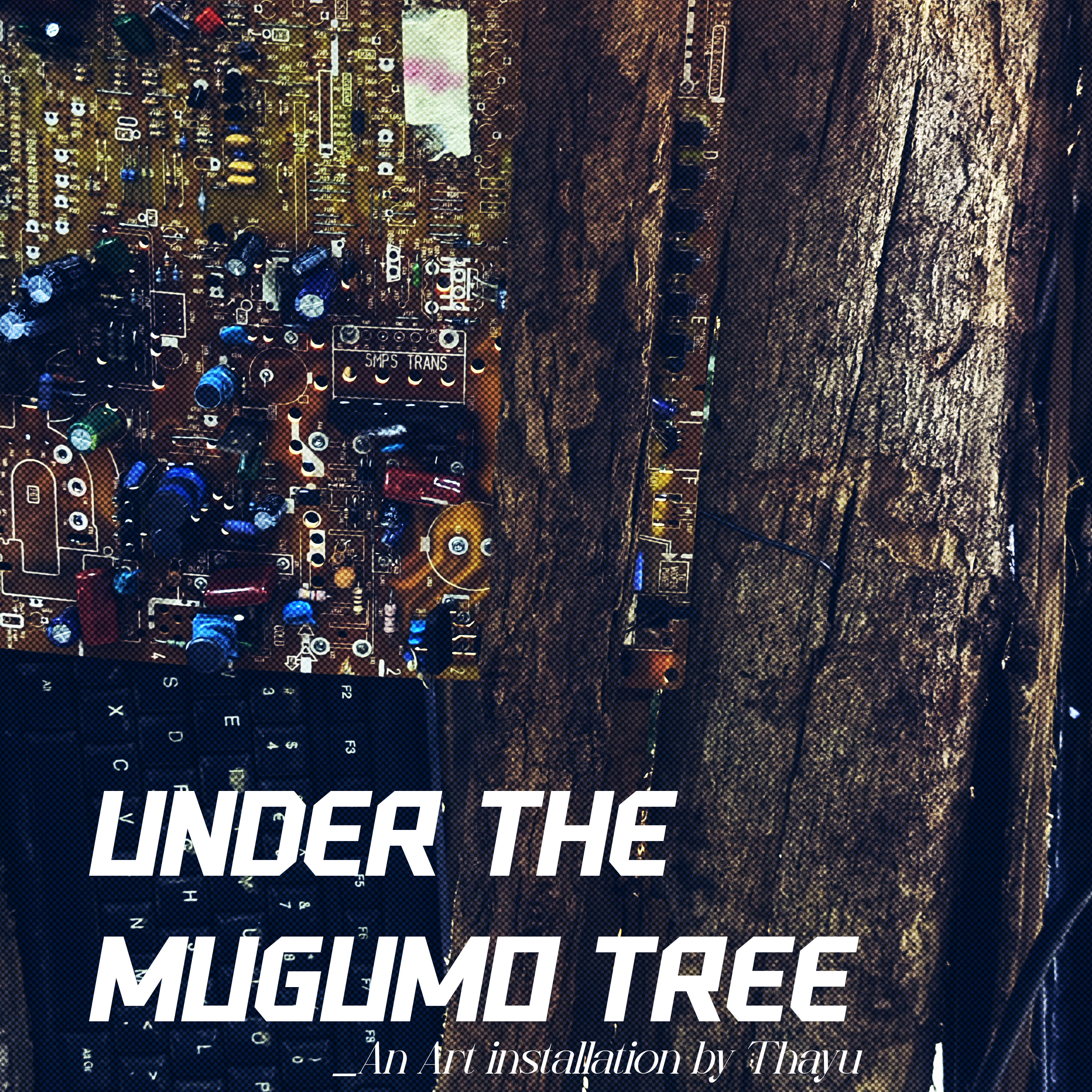

When AI Remembers Us Wrong
What happens when a culture has memories… but no images?
This question sat at the heart of my exploration into artificial intelligence and cultural heritage during the UK–Kenya Museum Knowledge Exchange. As a storyteller, I have always believed that memory lives not just in words, but in images, rituals, textures, and feeling. But what happens when we outsource that memory to machines?
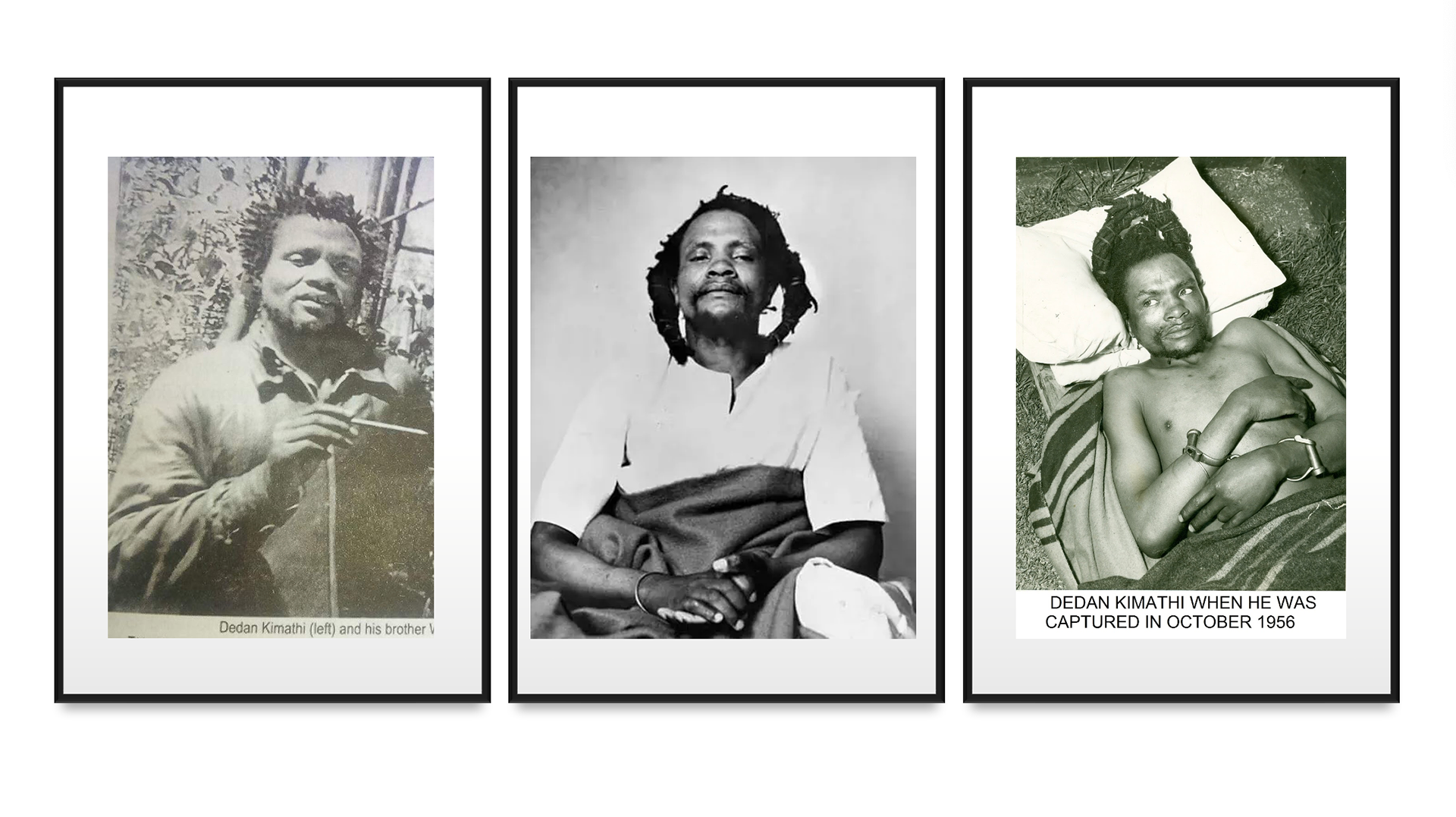
I tried to recreate a Mau Mau resistance scene using AI. Not to distort history, but to see if technology could help us visualize what we know but cannot fully access. What came back was unsettling. Faces shifted. Clothing became unfamiliar. The story itself fractured. The fighters were no longer resisting colonizers. They were fighting each other.
AI did not simply fail to recreate history. It rewrote it.

This is the quiet danger of AI in cultural work. It does not understand context. It approximates it. It fills gaps using dominant datasets, many of which do not carry our histories, our nuances, or our truths. What we get is not memory. It is a remix. And over time, that remix risks becoming the reference point.

If repeated enough, distortion becomes documentation. Fiction becomes archive.
This raises a deeper question. In an age where culture can be generated, who owns it? And perhaps more urgently, who gets to define it?

Take something as specific as the Fugu from northern Ghana. It is not just clothing. It carries identity, power, and history. But in the hands of AI, stripped of context, it can easily become aesthetic. A pattern. A costume. Something visually interesting but culturally hollow.
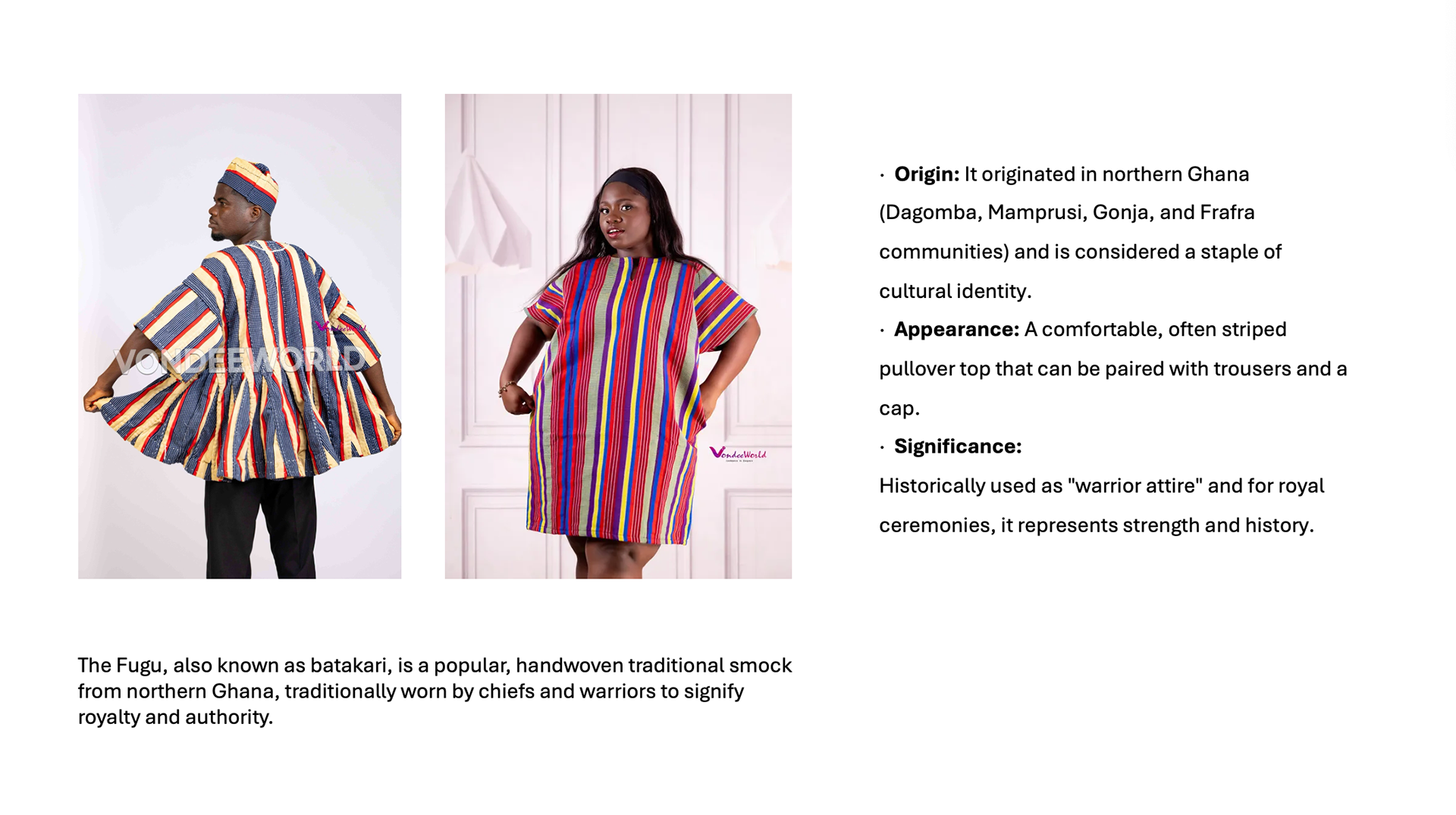
This is where the real tension lies. AI is not neutral. It is trained. And what it is trained on determines what survives.
If we are not actively shaping these systems, contributing our histories, and challenging their outputs, we risk becoming subjects of interpretation rather than authors of our own narratives. We risk a future where our stories still exist, but no longer belong to us.
Culture does not disappear loudly. It fades quietly. Sometimes through silence. And sometimes, through convenience.
And right now, AI sits at the center of that quiet transformation.